Last updated November 25, 2026
How Long Does It Take to Build an ADU in Redmond?
Most homeowners ask the wrong question first. They ask how long an ADU takes to build, expecting one number. The number that actually decides when you move in isn’t construction – it’s permit review. In Redmond, the city’s review of a standard ADU submission can run far longer than the framing, wiring and finishes combined, and a submission that misses a required drawing can send the whole clock back to zero. Understanding that split is the difference between planning confidently and guessing. This guide breaks the timeline into each phase as it actually plays out in Redmond, shows where prefab and site-built paths diverge, and explains what pushes a project past eighteen months.
Quick Answer
A typical ADU in Redmond runs about 12 to 18 months from first design meeting to certificate of occupancy. Permit review alone often takes 10 to 18 weeks for a complete standard submission, and construction typically adds 6 to 10 months depending on whether you build prefab or site-built. Projects that need corrections or resubmittals commonly stretch toward 18 months or beyond.
Table of Contents
- Phase-by-Phase Timeline for a Redmond ADU
- Why Redmond’s Permit Timeline Varies So Much
- Prefab vs. Site-Built Timelines in Redmond
- The Construction Phase, Broken Down by Build Type
- Realistic Start-to-Occupancy Benchmarks
- What Causes a Redmond ADU to Exceed 18 Months
- Common Mistakes to Avoid
- Frequently Asked Questions
Phase-by-Phase Timeline for a Redmond ADU
An ADU is really two projects stacked on top of each other: the paperwork project and the construction project. The paperwork runs first and gates everything else. Here’s how the phases sequence when you work with a dedicated ADU contractor in Redmond.
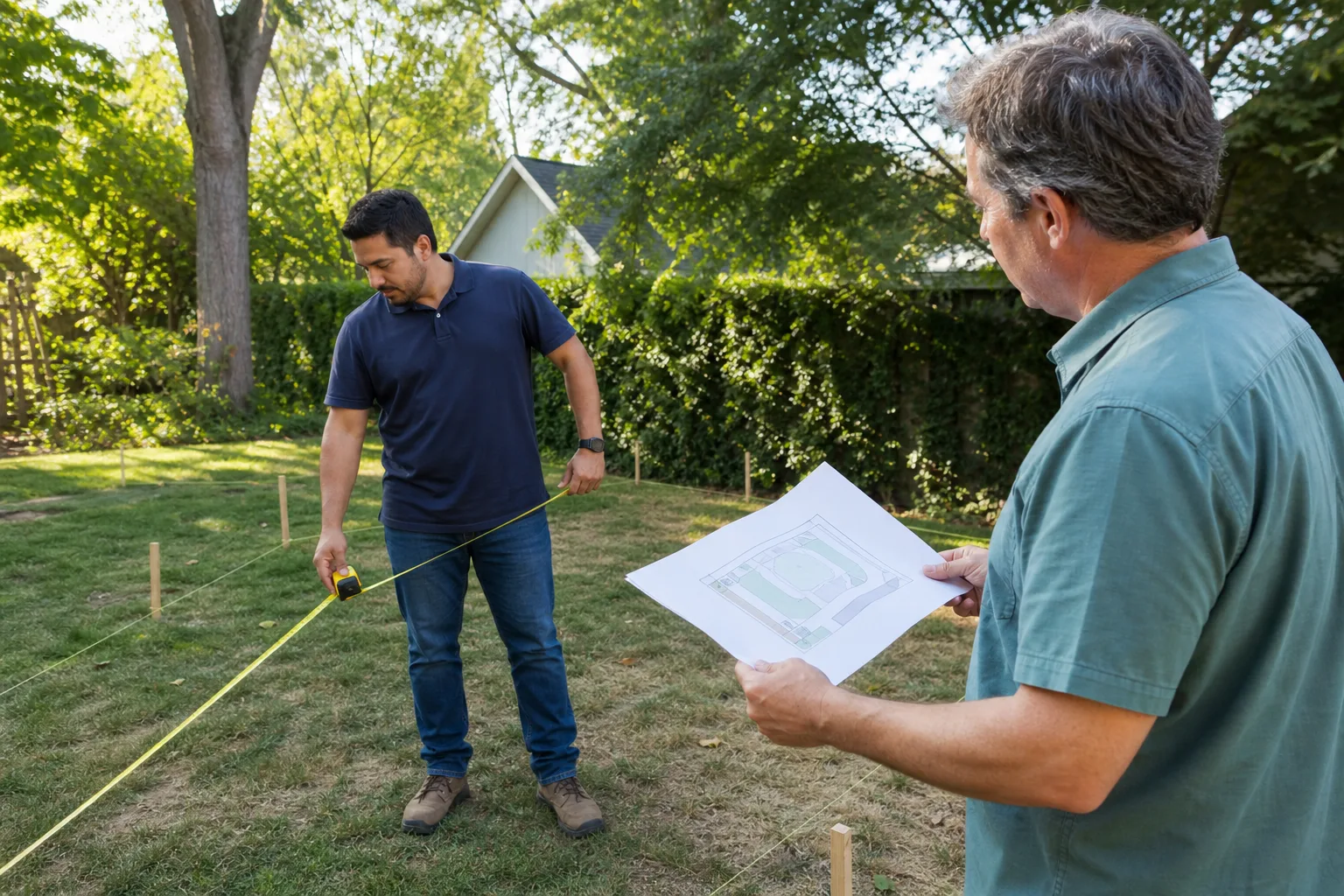
- Feasibility and site review (2-4 weeks). We confirm what your lot can actually support – setbacks, existing utility locations, slope, tree cover, and the zoning pathway that fits your property. This is where a garage conversion or junior ADU often emerges as a smarter, faster option than a ground-up build.
- Design and drawings (4-8 weeks). Architectural drawings, a site plan, and structural calculations for the unit. Complexity here drives everything downstream, so getting the design settled early pays off later.
- Engineering and civil drawings (2-4 weeks). Structural, grading and drainage details the city will want to see. Missing civil sheets are one of the most common reasons a submission gets bounced.
- Permit submission and intake (1-2 weeks). We file the complete package with the city’s planning and building departments and confirm intake completeness.
- Plan review (10-18 weeks for a standard submission). The city reviews zoning, building code, fire and life safety. This is the single most variable phase.
- Corrections and resubmittal (2-8 weeks, if needed). Reviewer comments come back, we respond, and the clock either continues or restarts depending on what was flagged.
- Permit issuance (1-2 weeks). Fees are paid and the permit is issued, opening the door to construction.
- Construction (6-10 months, build-type dependent). Foundation through finishes and final inspection.
Laid end to end, that’s the 12-18 month range. The spread is almost entirely driven by steps five and six. As ADU Builder Redmond, we build our entire process around keeping those two steps from stalling.
Why Redmond’s Permit Timeline Varies So Much
The permit review is where most of the uncertainty lives. Two projects submitted the same week to the same department can land weeks apart. Three things drive the gap.
Submission Completeness
The biggest lever. A package missing a required civil drawing, a grading plan, or a drainage detail doesn’t get “partially reviewed” – it gets flagged, and depending on the gap, the review clock can restart. A four-month review turning into a seven-month one because of a missing sheet is a real outcome, and it’s entirely preventable. We treat submission completeness as a discipline, not an afterthought.
Project Complexity Tier
A garage conversion or junior ADU generally reviews faster than a full ground-up build because there’s less new structure and fewer utility changes. A ground-up ADU with new utilities, grading, and a slab involves more departments looking at more sheets. A home addition that happens to include an ADU component draws additional scrutiny. The complexity tier of your project sets an expectation you can plan around.
Seasonal Department Volume
Reviewer workload fluctuates. Certain stretches of the year see a surge in submissions across the region, and every project in the queue feels it. We build float into the schedule for this reason, and we’ve seen how much smoother Redmond projects go when the design is locked before the busy stretches hit.
We work directly with the city’s planning and building department to confirm the rules for your lot before plans are final. Redmond’s ADU rules depend on the specific lot, zoning and existing conditions, so we don’t guess – we verify. That step alone heads off a large share of corrections.
Prefab vs. Site-Built Timelines in Redmond
The single greatest timeline advantage of the prefab path is that factory production runs in parallel with permitting. Site-built construction can’t start until the permit is issued. Prefab modules can be built while the city is still reviewing. For a homeowner watching a long permit window, that’s meaningful time recovered.
We work with recognized prefab ADU brands including Abodu, Cover and Dvele, alongside traditional site-built construction, so you can compare delivery methods side by side.
Where Prefab Gains Time
- Factory build overlaps permit review, so the module can be substantially built when the permit lands.
- Predictable build duration – the factory controls the schedule, not weather or subcontractor sequencing.
- Less on-site disruption, which suits tight Redmond lots.
Where Prefab Can’t Compress
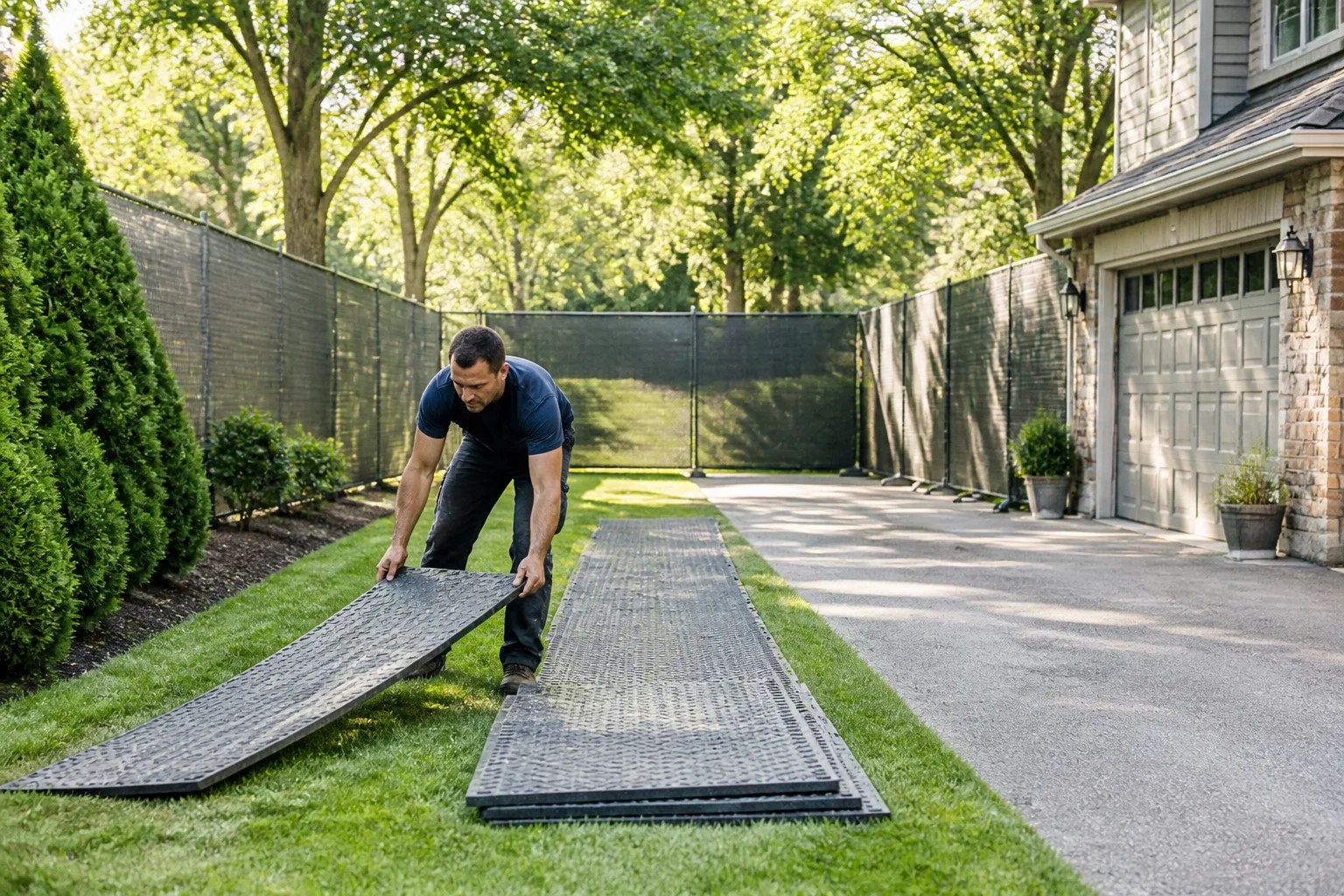
- Site work still depends on the permit. Foundation, utility trenching and site prep can’t begin before approval.
- Delivery and set still require a crane and clear site access, which some Redmond properties complicate with slopes or tight access.
- Final utility connections and inspections run on the city’s schedule regardless of how the module was built.
Site-built gives you full design freedom and often wins on fit for tricky lots. If you’re comparing options, our team can walk you through ADU builders and the trade-offs between prefab and custom work before you commit.
The Construction Phase, Broken Down by Build Type
Once the permit is issued, construction moves through a predictable sequence. The durations shift based on whether you’re building ground-up, converting a garage, or adding a junior unit.
Ground-Up ADU Construction
- Site prep and foundation (3-6 weeks). Excavation, grading, and a slab or crawl space. Redmond’s soils and winter wet decide a lot here, so foundation work scheduled in the drier months goes faster.
- Framing (3-5 weeks). Walls, roof and framing inspection.
- MEP rough-in (2-4 weeks). Plumbing and electrical rough-in, then inspection.
- Insulation and drywall (2-3 weeks).
- Finishes (4-8 weeks). Flooring, cabinetry, fixtures, paint, and exterior siding.
- Final inspection and landscaping restoration (2-4 weeks). Landscaping replaced, final inspections signed off, certificate of occupancy issued.
Garage Conversion
Faster overall because the shell already exists. No new foundation, framing or roof. The work centers on insulation, new utilities, drywall and finishes, typically landing in the 3-6 month range depending on how much structural and utility work the existing garage requires. A garage conversion is often the right-sized budget entry point for a homeowner not ready for a ground-up build.
Junior ADU
The fastest path in the right house. A junior ADU is created within the existing footprint, so it skips much of what makes a ground-up build slow. Construction often runs 2-4 months, with permitting and design still on the front end.
Realistic Start-to-Occupancy Benchmarks
Planning around a single number is how projects get stressful. Plan around ranges instead. Here’s how a Redmond ADU timeline breaks down by build type.
| Build Type | Design & Permit | Construction | Start to Occupancy |
|---|---|---|---|
| Junior ADU | 3-5 months | 2-4 months | 6-10 months |
| Garage Conversion | 3-6 months | 3-6 months | 8-12 months |
| Prefab ADU | 4-7 months | 3-6 months | 10-14 months |
| Site-Built ADU | 4-7 months | 6-10 months | 12-18 months |
Best Case
A complete submission on a straightforward lot with a fast review tier and no major corrections. Add a prefab or conversion path and you can realistically land nearer the low end of each range.
Typical Case
One round of reviewer corrections and standard construction. Most Redmond ADU projects land within the ranges above, with permitting absorbing the variance.
Where Projects Exceed 18 Months
Past eighteen months, the cause is nearly always permitting and design churn, not the build itself. Repeated resubmittals, a late scope change, or a stubborn site condition that forces a redesign. Keeping the design locked and the submission complete is how you avoid it. The schedule is set in the written estimate, so there are no surprises once the work is scoped.
What Causes a Redmond ADU to Exceed 18 Months
The pattern we see repeatedly is a project that looks like it’s moving and is quietly stalling. A few factors account for most of it.
- Silent permit resubmittals. A missing sheet or a plan review comment that gets a partial answer. The permit sits unissued and nobody flags it. This is why a dedicated ADU contractor tracks every resubmittal in writing.
- Design changes after submission. Moving a wall, resizing a window, or changing the unit type after the city has reviewed forces amended plans and new review. Decide the design before submission.
- Utility tie-in surprises. Discovering a sewer or electrical constraint after submission triggers redesign. Confirming utility locations during feasibility prevents this.
- Owner-occupancy and lot rule questions checked late. Redmond’s ADU rules depend on the lot, so we verify owner-occupancy, parking and setback questions during feasibility, not after the permit is in review.
- Coordination gaps. Design firm, permit expediter, and builder are three separate parties, and the handoffs lose time. Keeping design, permitting and construction under one roof closes that gap.
Common Mistakes to Avoid
- Submitting before the drawings are truly complete. A missing civil, grading or drainage sheet can restart the review clock entirely. We check the package against the city’s submittal requirements before anything is filed.
- Choosing the build type before the lot is understood. A homeowner set on a ground-up build, on a lot better suited to a conversion, will pay for the mismatch in time and money. Feasibility comes first for a reason.
- Changing the design mid-review. Any scope change after submission resets portions of the review. Lock the plan, then submit.
- Splitting the project across three vendors. A designer, a permit service and a builder working independently is where the coordination gap starts. A single dedicated ADU contractor from design to permit to occupancy avoids it.
- Ignoring utility locations until the foundation starts. A late sewer or electrical discovery forces redesign. Confirm utilities during feasibility.
- Comparing prefab and site-built on price alone. The prefab timeline advantage – factory build overlapping the permit review – often offsets cost differences that don’t account for time. Compare delivery methods side by side.
- Assuming all Redmond lots are equal. Slope, access, tree cover and existing structures change the timelines. A Redmond-specific review of your lot is the only reliable way to set an estimate.
When to Call a Professional
Call a dedicated ADU contractor when your project is going to need drawings the city will accept on the first submission, when your lot has constraints you’re unsure about, or when you’ve gotten conflicting advice about which ADU pathway fits. Call when you’ve had a permit bounced or a resubmittal stall, and when you want design, permitting and construction handled by one team so nothing falls between three parties. If you’re weighing prefab against site-built or a garage conversion against a ground-up build, a professional comparison saves you months before you ever file. ADU Builder Redmond offers free estimates in Redmond – call (425) 699-9065. We answer 24/7. Fast dispatch from 7am to 7pm, Sunday through Friday.
Frequently Asked Questions
A typical Redmond ADU takes 12 to 18 months from first design meeting to certificate of occupancy. Permit review alone runs roughly 10 to 18 weeks for a complete standard submission, and construction adds 6 to 10 months. Conversions and junior ADUs run faster. Call (425) 699-9065 for an exact schedule tailored to your lot – estimates are free.
Redmond’s permit review typically takes 10 to 18 weeks for a complete standard submission. The range depends on submission completeness, project complexity and seasonal department volume. Incomplete packages that trigger corrections can stretch well beyond that. Call (425) 699-9065 to have your submission reviewed before filing – estimates are free.
Missing civil drawings, late design changes, unresolved utility locations and owner-occupancy rule questions checked late are the main causes. A package that misses a required sheet can restart the review clock entirely. We confirm the rules for your specific lot with the city before plans are final. Call (425) 699-9065 for a free review of your project.
Often yes, because factory production runs in parallel with permitting instead of waiting for the permit to issue. Prefab brands like Abodu and Cover can recover meaningful time in the permit window. Site work, delivery and final inspections still follow the city’s timeline either way. Call (425) 699-9065 to compare both options for your lot.
Ground-up construction typically runs 6 to 10 months, garage conversions 3 to 6 months, and junior ADUs 2 to 4 months. The sequence – foundation, framing, MEP rough-in, insulation, finishes, final inspection – is predictable, but site conditions shift the range. Call (425) 699-9065 for an exact build schedule in your written estimate.
Yes. A garage conversion or junior ADU generally moves from design to occupancy faster because they build on the existing structure and skip much of a ground-up foundation and framing. For homeowners not ready for a full ground-up build, they’re the right-sized entry point. Call (425) 699-9065 to find out which pathway fits your property.
No. The written estimate sets the final price, and the schedule is set in it as well. We scope the project through the permit and construction phases up front so there are no change-order surprises. Call (425) 699-9065 for a free line-item estimate.
The Bottom Line
The ADU timeline question has one real answer: the permit review is the variable that decides your move-in date, not the build. In Redmond, a complete submission reviews in 10 to 18 weeks, while construction adds 6 to 10 months on top. Design and submission completeness are the levers that keep you under 18 months. Choose the right build type for your lot, lock the design before filing, and keep design, permitting and construction under one team. Our technicians have up to 9 years of experience with ADU-specific challenges like foundation setbacks and utility tie-ins. Call (425) 699-9065 for a free estimate. We answer 24/7. Fast dispatch from 7am to 7pm, Sunday through Friday.
Written by the team at ADU Builder Redmond.