Last updated November 25, 2026
How to Hire an ADU Contractor in Redmond: A Step-by-Step Guide
Here’s the uncomfortable truth about hiring for an ADU in Redmond: a general contractor’s license from Washington State says nothing about whether that contractor has ever built a detached dwelling unit. The contractor who remodeled your neighbor’s kitchen is legally qualified to quote your ADU. What the license doesn’t tell you is whether they’ve navigated Redmond’s ADU permit workflow once, or fifty times, or never. The difference between those answers shows up months later, in change orders and stalled inspections.
This guide walks through what separates an ADU specialist from a capable generalist, how to verify a Washington State license and what coverage actually protects you, how to structure a payment schedule tied to inspections instead of calendar dates, and the contract language that should make you walk away. By the end you’ll know exactly what to ask and what to check before you sign.
Quick Answer
To hire an ADU contractor in Redmond, verify their Washington State contractor registration and insurance first, then ask how many ADU permits they’ve submitted in Redmond specifically and whether they handle design and permitting in-house. The strongest signal is single-vendor accountability: one company responsible from design through certificate of occupancy, with payments tied to passed inspections. Call (425) 699-9065 for a free estimate.
Table of Contents
- Why Redmond ADUs Need a Specialist, Not a Generalist
- The Five Questions That Separate Specialists From Generalists
- How to Verify a Contractor’s Washington State License, Bonding, and Insurance
- Why Single-Vendor Design-Build Matters for ADUs
- Red Flags in an ADU Contract
- How to Structure a Payment Schedule Around Inspections
- Matching the ADU Type to Your Lot and Budget
- What Actually Drives an ADU Timeline in Redmond
Why Redmond ADUs Need a Specialist, Not a Generalist
Washington State requires a general contractor to be registered and bonded, but it doesn’t require any ADU-specific experience. That gap matters more in Redmond than in many cities, because an ADU isn’t a scaled-down house. It’s a separate structure on an existing lot, sharing utilities, setbacks, drainage, and access with the primary home. Every one of those interfaces is where generalists lose time.
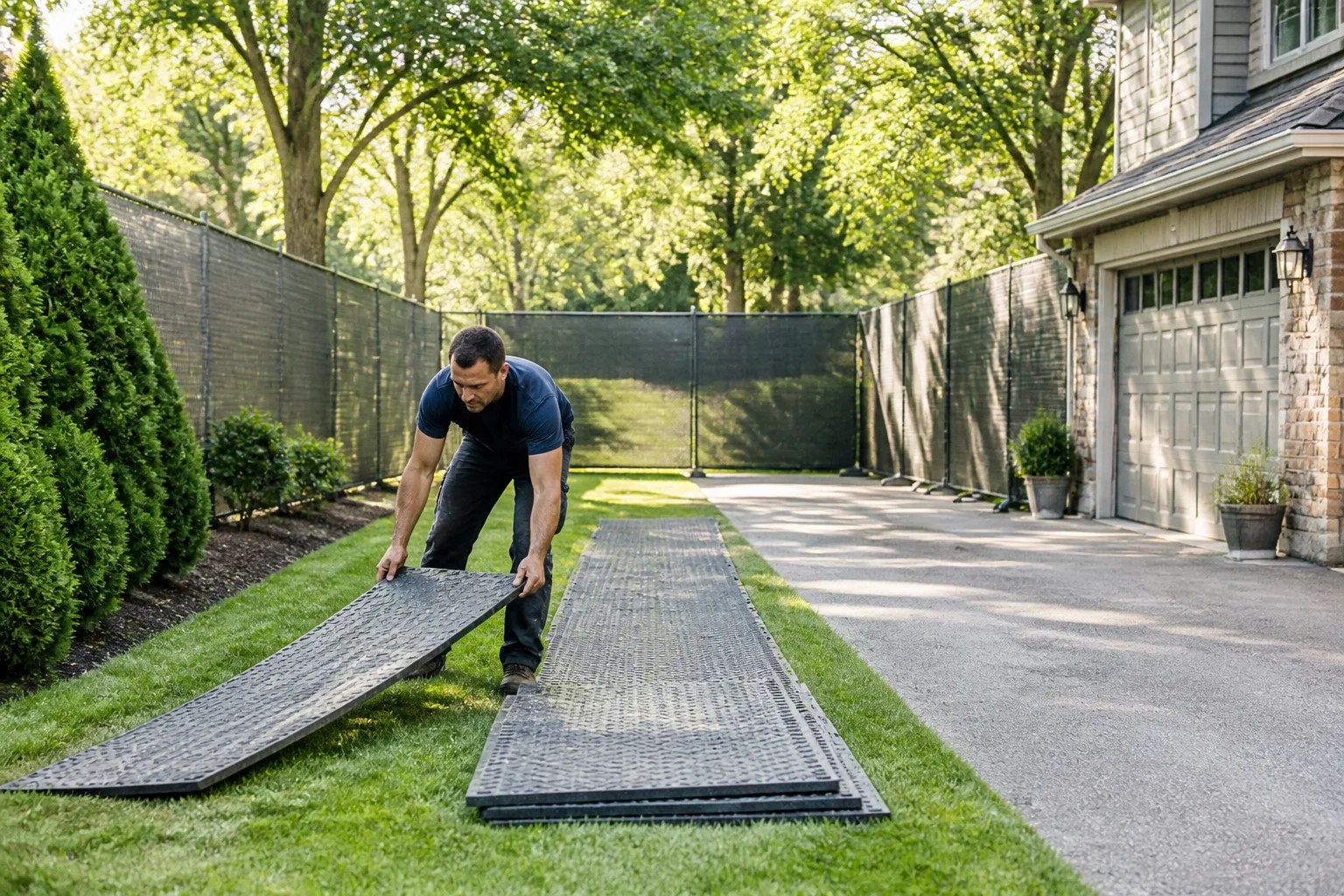
Consider what an ADU touches that a kitchen remodel doesn’t. You’re dealing with a new foundation and its relationship to existing lot grading. You’re tying into the sewer or septic in a way that depends on where the main line actually runs, not where the drawing assumes it runs. You’re managing stormwater on a lot that already has impervious surface. Each of these is a place where a contractor unfamiliar with ADU work discovers a problem mid-build rather than during design.
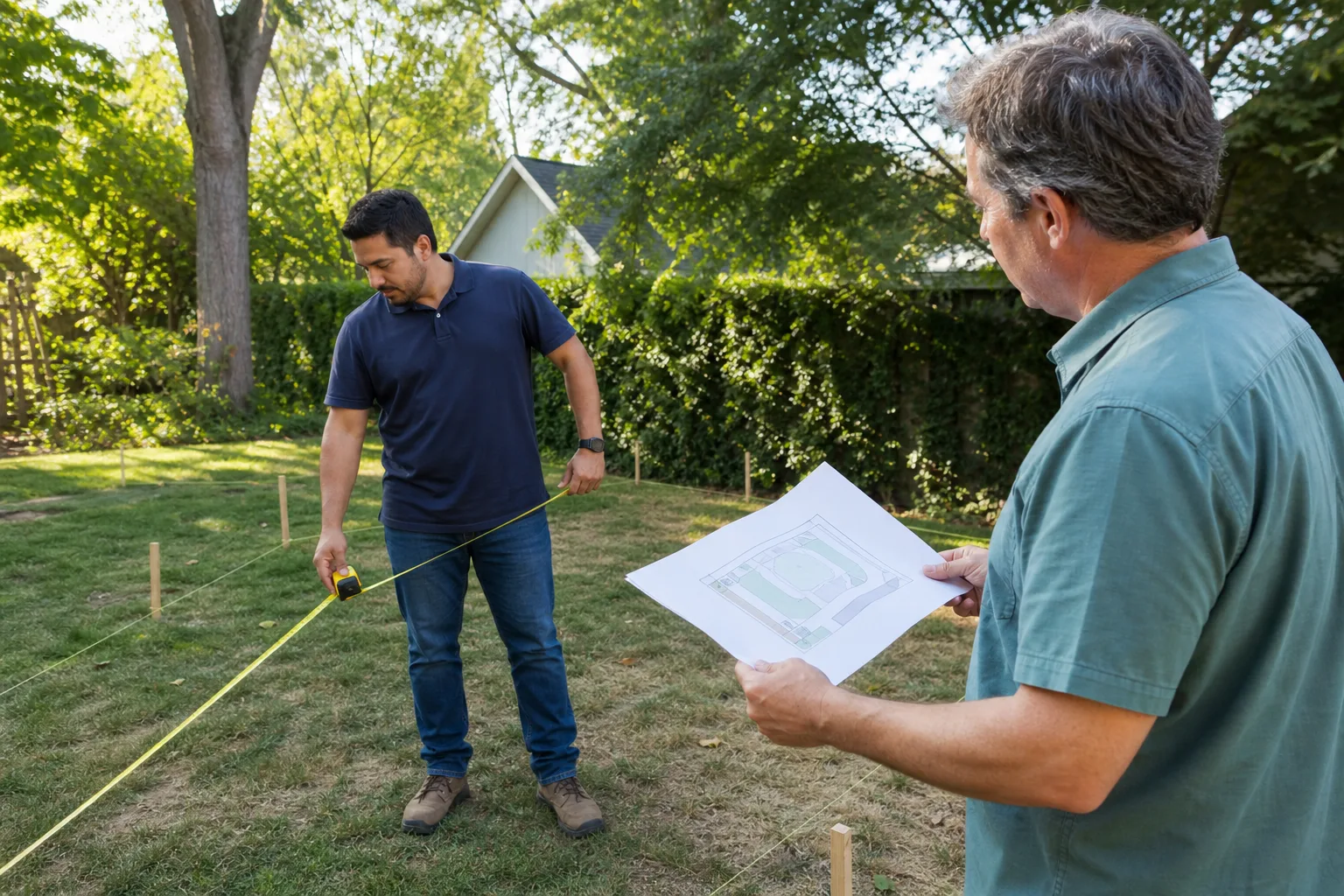
Redmond’s housing stock adds another layer. Lots in neighborhoods like Education Hill and Grass Lawn vary widely in slope, mature tree cover, and how the original house was sited. A specialist reads those conditions before the design is fixed. A generalist finds out when the excavator arrives.
The climate matters too. Redmond’s wet winters and the seasonal swing from soaked ground to dry summer soil affect foundation drainage and how much of the year foundation and framing work can proceed without weather protection. Contractors who build ADUs here regularly plan around it. Contractors who don’t, build schedules that slip.
None of this means a general contractor can’t build a good ADU. It means the burden of ADU-specific knowledge shifts to you, the homeowner, unless you hire someone who already carries it. That’s the core case for an ADU Builder Redmond style specialist: the institutional knowledge lives with the contractor, not in your research folder.
The Five Questions That Separate Specialists From Generalists
You can learn more in five questions than in an hour of portfolio browsing. Ask each one directly and listen for specifics. A specialist answers with numbers and process. A generalist answers with reassurance.
- How many ADU permits have you submitted in Redmond? Not in King County. Not on the Eastside. In Redmond, through the city’s own review process. The answer should be a real count and a description of how the city’s review tends to go. Vague answers here are the single loudest warning sign.
- Who prepares the drawings and who submits the permit? A specialist does both in-house or through a design team they manage directly. A generalist hands you an architect’s name and tells you to coordinate. That handoff is where scope gaps begin.
- Which subcontractors do you use for foundation, framing, electrical, and plumbing, and how long have you worked with them? Established relationships mean crews who know the contractor’s standards. Rotating subs mean the learning curve restarts on your project.
- What’s your process when the city comes back with corrections? Every permit gets comments. The question is who absorbs them. A specialist expects corrections, budgets time for them, and handles the response. A generalist treats corrections as an extra.
- Can you walk me through a certificate of occupancy on an ADU you built here? The final inspection is where utility tie-ins, egress, and life-safety details get checked. A contractor who has closed out ADUs in Redmond can describe that sequence without hesitation.
If two or more answers come back fuzzy, you’re talking to a generalist. That’s not a character flaw. It’s just a mismatch for a project this specific. See ADU builders for what a dedicated scope looks like.
How to Verify a Contractor’s Washington State License, Bonding, and Insurance
Verification is the part homeowners skip because it feels bureaucratic. Do it anyway, and do it before you discuss design. Washington State maintains a public contractor registration lookup through the Department of Labor & Industries. Look up the registration number, confirm it’s active, and confirm the registration name matches the company you’re talking to, not a related entity.
Registration, bonding, and insurance are three different protections, and homeowners often blur them.
- Registration confirms the contractor is legally allowed to work in Washington and has met the state’s registration requirements. It’s the baseline, not a quality signal.
- Bonding provides a limited recovery path if the contractor fails to perform or violates certain rules. It’s a backstop, not a guarantee of a good outcome, and the bond amount is capped.
- General liability insurance covers third-party property damage and bodily injury arising from the work. Ask for a certificate of insurance naming you as an additional insured where the policy allows it, and confirm the coverage is current for the project period.
- Workers’ compensation matters if the contractor has employees. If a worker is injured on your property and the contractor isn’t covered, the exposure can reach you.
Ask for certificates directly and confirm them with the insurer if anything looks off. The specific coverage minimums that apply depend on the policy and the project, so ask the contractor and the insurer what’s in force rather than assuming a number. The local pro should be licensed and insured as their state requires, and you should be able to see the paperwork. This step takes twenty minutes and protects a six-figure investment.
Why Single-Vendor Design-Build Matters for ADUs
The most expensive ADU problems don’t come from bad workmanship. They come from the gap between the designer and the builder. When an architect hands drawings to a separate contractor, nobody owns the mismatch between what was drawn and what the site allows until it’s discovered in the field.
Here’s how that plays out. The designer works from a survey and a set of assumptions about utilities. The contractor prices from the drawings without walking the utility runs. Construction starts. The sewer line is shallower than assumed, or the electrical service needs an upgrade no one priced. Now you’re negotiating a change order with a contractor who didn’t create the problem and a designer who has already been paid. Neither is motivated to absorb it.
Single-vendor design-build closes that gap by putting one company on the hook for both. The people drawing the plans are the people who will build them, so the estimates reflect site reality. Corrections from the city land on the same desk that produced the drawings. And the schedule is one schedule instead of two that don’t talk to each other.
For ADUs specifically, this matters because so much of the work is regulatory. Design and permitting aren’t separate phases you can bolt on; the design decisions that pass review are the same decisions that drive construction cost. A garage conversion illustrates it well: the conversion only pencils out if the design team knows what the existing garage structure can carry and what the city will require for habitable space. Split that knowledge across two companies and you get a design that’s beautiful and a budget that doesn’t survive contact with the inspector.
Ask any contractor you interview where the handoffs are. If the answer is “there aren’t any,” you’re talking to a design-build operation. If the answer is a list of other companies, you’re the project manager now.
Red Flags in an ADU Contract
An ADU contract should be specific enough that a stranger could read it and know exactly what gets built, when, and for how much. Vagueness is where money disappears. Here’s what to watch for.
- Allowance line items with no basis. An allowance is a placeholder price for something not yet chosen, like fixtures or finishes. A reasonable allowance comes with a description of what it covers and a process for what happens if the actual cost exceeds it. A bare number with no scope is a future change order.
- No permit timeline commitment. The contract should state who files the permit, who responds to corrections, and what happens to the schedule if review takes longer than expected. Silence on this point means the delay risk sits with you.
- Missing lien waiver provisions. Subcontractors and suppliers can file liens against your property if they aren’t paid. Conditional and unconditional lien waivers, tied to each payment, are how you confirm the money you pay actually reaches the trades. A contract with no waiver language leaves you exposed.
- Payment schedules tied to calendar dates. “Twenty percent due on March 1” tells you nothing about progress. Payments should be tied to completed, inspected milestones.
- No named scope for site work. Excavation, grading, drainage, and utility trenching are where ADU budgets blow up. If the contract treats site work as a later conversation, it will be.
- Change order language with no approval process. You should approve every change in writing before work proceeds, with the cost stated up front.
If a contractor resists putting permit responsibility or lien waivers in writing, that’s your answer about how the project will go. Walk.
How to Structure a Payment Schedule Around Inspections
The best protection you have on an ADU build is a payment schedule that releases money when work is verified, not when a date arrives. Tie every disbursement to a passed inspection or a documented milestone, and hold a meaningful final payment until the certificate of occupancy is issued.
- Deposit at contract signing. A deposit covers design and permit preparation. Keep it modest relative to the total and confirm it’s applied to real early costs.
- Payment at permit issuance. Once the city issues the permit and construction is cleared to start, a second draw covers mobilization and site work.
- Payment at foundation inspection. Release after the foundation passes inspection, not when the concrete is poured.
- Payment at framing and rough-in inspection. This is a major milestone covering framing, electrical, plumbing, and mechanical rough-in. Release only after the inspection passes.
- Payment at insulation and drywall. Tied to the inspection that clears the walls for closing up.
- Substantial completion draw. Released when finishes are in and the unit is functionally complete.
- Final payment at certificate of occupancy. Hold a real percentage until the CO is issued and the punch list is closed. This is your leverage to make sure the last ten percent of the work gets done.
A schedule built this way aligns the contractor’s cash flow with your risk. When a payment is tied to an inspection, the contractor is motivated to pass it. When it’s tied to a date, the motivation is to stay on the calendar regardless of what’s been verified. Ask any contractor you interview to show you their standard schedule and watch how they react to inspection-tied payments. The ones who build ADUs regularly will have a version of this already.
Matching the ADU Type to Your Lot and Budget
Not every Redmond lot wants a ground-up detached unit, and not every budget supports one. A specialist helps you pick the pathway that fits the property and the financial goal, rather than pushing the one product they build.
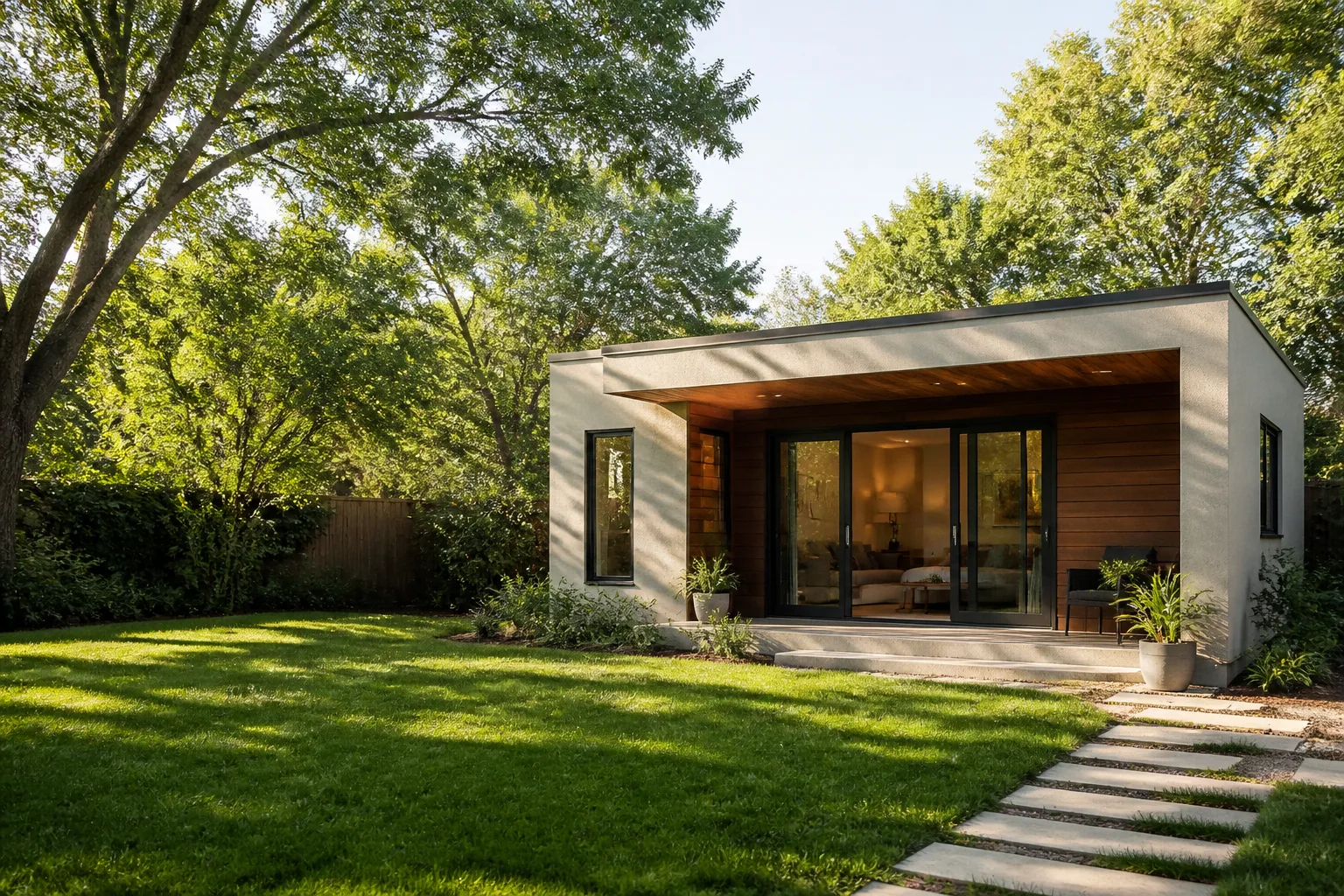
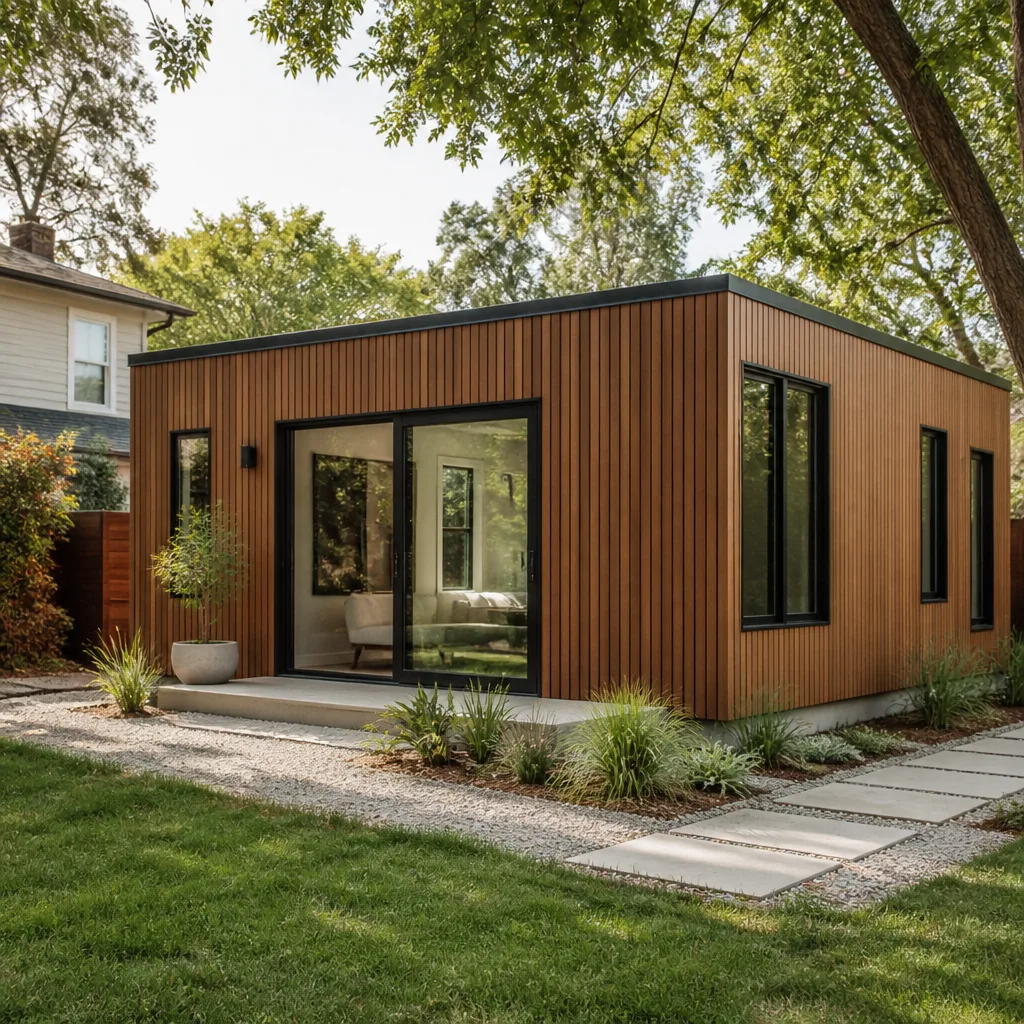
- Ground-up detached ADU. A new structure in the backyard. Maximum design freedom and the highest cost. Best when the lot has the space, the utilities can be extended economically, and the goal is a full independent living unit.
- garage conversion. Converting existing garage space into living area. Often the lowest-cost path because the structure and foundation already exist. The work concentrates on insulation, moisture control, egress, and utility upgrades, and the feasibility depends heavily on the existing structure and what the city will require for habitable space.
- junior ADU. A smaller unit within or attached to the existing house, typically with its own entrance and basic kitchen and bath. A smart entry point for homeowners who want rental income or family space without a full new structure.
- Home addition. Expanding the primary house to include an attached unit. Useful when the lot is tight or the existing home layout supports an efficient attachment.
Prefab is a fifth option worth understanding. Factory-built units from brands like Abodu, Cover, and Dvele compress the construction schedule and give you a fixed design to evaluate against site-built cost. They still need site work, foundations, utility connections, and permits, so the savings come from the box, not from skipping the ground game. A contractor who works with these brands alongside site-built construction can show you a real side-by-side comparison instead of steering you toward whichever they profit from most. That comparison is the whole point of hiring a specialist with multiple pathways.
What Actually Drives an ADU Timeline in Redmond
Homeowners focus on construction time. The real schedule driver is everything before the first shovel. Design, engineering, and permit review consume a large share of the calendar, and site conditions decide the rest.
Three factors move the timeline more than anything else. First, the completeness of the initial permit submittal. A submittal that anticipates the city’s questions comes back with fewer corrections, and fewer correction cycles means less dead time. Second, how quickly decisions get made on finishes and fixtures. Every undecided item is a pause waiting to happen. Third, the season. Foundation and framing work in Redmond’s wet months needs weather protection and can slow down; planning that work for the drier stretch of the year keeps the schedule honest.
We’ve seen projects stall for weeks on a single unresolved question about a utility connection, not because the work was hard but because no one owned the answer. That’s the argument for one company holding design, permitting, and construction together. The schedule is set in the written estimate, and it should reflect the site, not a generic template.
Ask any contractor to break the timeline into phases: design, permit submittal, permit review, site work, foundation, framing, rough-in, finishes, final inspection. If they can’t, they haven’t done it enough times in Redmond to know where the time actually goes.
Common Mistakes to Avoid
- Hiring on price alone. The lowest ADU bid is usually the one with the thinnest scope. The gap gets filled with change orders once construction starts, and you’ve already committed.
- Skipping the permit-history question. A contractor with no Redmond ADU permits is learning on your project. Ask the question and accept only a specific answer.
- Letting the architect and builder work separately. The handoff between design and construction is where scope gaps and cost overruns live. Keep them under one roof.
- Accepting vague allowances. An allowance without a defined scope and an overage process is a placeholder for a future bill. Get the scope in writing.
- Paying on dates instead of inspections. A payment schedule tied to calendar dates rewards showing up, not finishing. Tie draws to passed inspections and hold final payment until the certificate of occupancy.
- Ignoring the site work line. Excavation, grading, drainage, and utility trenching are the most common budget blowups on Redmond lots with slope or mature trees. Get them priced before you sign.
- Assuming rental rules are settled. Whether and how you can rent an ADU depends on the city, and those rules should be confirmed with the city before you finalize plans, not after.
When to Call a Professional
Some decisions are fine to research on your own. Others need a specialist on the phone. Call a professional when you’re weighing a ground-up build against a garage conversion and need a real cost comparison for your specific lot. Call when you’ve got a set of drawings and want to know whether they’ll survive Redmond’s review. Call when a general contractor has quoted your ADU and something in the scope feels thin. Call when you’re ready to move from research into a written estimate with a defined scope and a permit timeline.
ADU Builder Redmond offers free estimates in Redmond. Call (425) 699-9065. We answer 24/7. Fast dispatch from 7am to 7pm, Sunday through Friday. Our technicians have up to 9 years of experience, and our estimators and project managers work on ADUs exclusively, so the questions you’re asking are ones we answer every week.
Frequently Asked Questions
Cost depends on the pathway: a garage conversion or junior ADU generally costs less than a ground-up detached unit, and prefab sits somewhere in between depending on site work. The written estimate sets the final price, and it should break out design, permitting, site work, construction, and utility connections line by line. Call (425) 699-9065 for a free estimate on your specific lot.
Yes. Washington State requires contractors to be registered, bonded, and insured to work on residential projects, and an ADU is a residential construction project with its own permit. Verify the registration through the state’s public lookup and confirm the insurance certificate is current before work begins. The local pro is licensed and insured as their state requires, and you should see the paperwork.
Legally, a registered general contractor can build an ADU. Practically, the question is whether they’ve navigated Redmond’s ADU permit process and understand the site conditions that drive cost here. A generalist can do the work, but the ADU-specific knowledge burden shifts to you, and that’s where schedule slips and change orders come from.
The schedule depends on the design, the permit review, site conditions, and the season. Design and permit review typically consume a large share of the calendar before construction starts, and foundation and framing work in Redmond’s wet months can slow down without weather protection. The schedule is set in the written estimate so you know what you’re planning around.
A good payment schedule ties every draw to a passed inspection or a documented milestone, with a meaningful final payment held until the certificate of occupancy is issued. Deposits should be modest and applied to real early costs like design and permit preparation. Avoid any schedule built on calendar dates alone.
Yes. We work with Abodu, Cover, and Dvele alongside site-built construction, so you can compare factory-built speed and design against a custom build from one contractor. Prefab still needs foundations, utility connections, and permits, so the full site scope is part of the estimate either way. Call (425) 699-9065 to talk through which pathway fits your lot.
The Bottom Line
The biggest hiring mistake in Redmond isn’t picking a bad contractor. It’s picking a capable one who has never built an ADU here. Verify the Washington State registration, bonding, and insurance first. Then ask the five questions: Redmond ADU permit count, who draws and submits, which subs and for how long, how corrections get handled, and a walkthrough of a closed-out certificate of occupancy. Insist on single-vendor design-build so the handoffs disappear, read the contract for vague allowances and lien waivers, and structure payments around inspections instead of dates. Do these things and you’ll hire someone who knows the work, not someone learning it on your lot.
Written by the team at ADU Builder Redmond.