
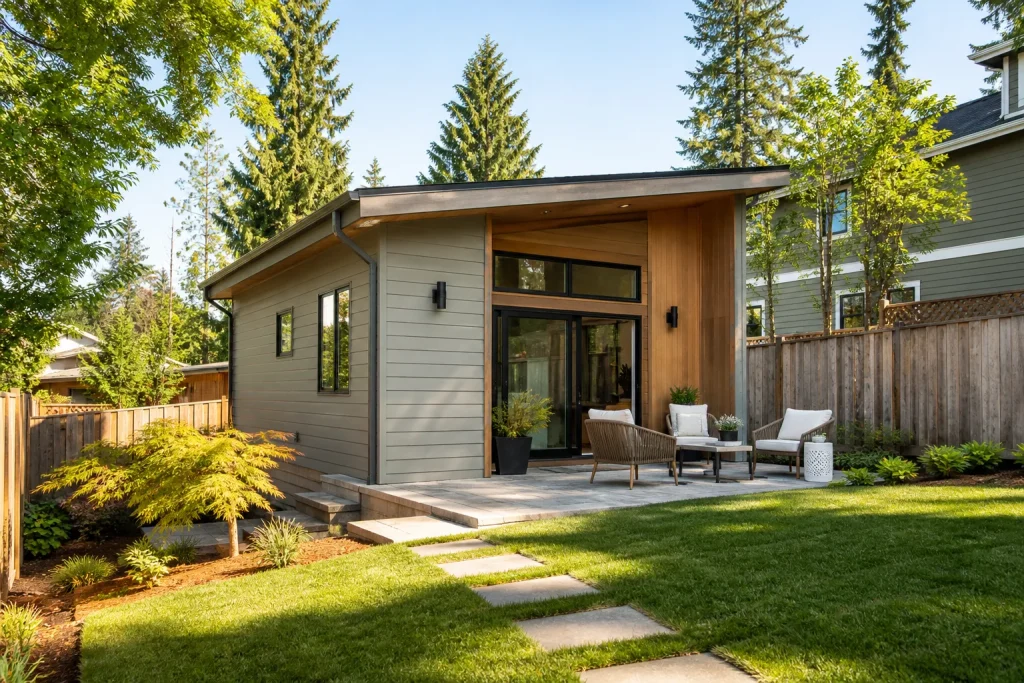
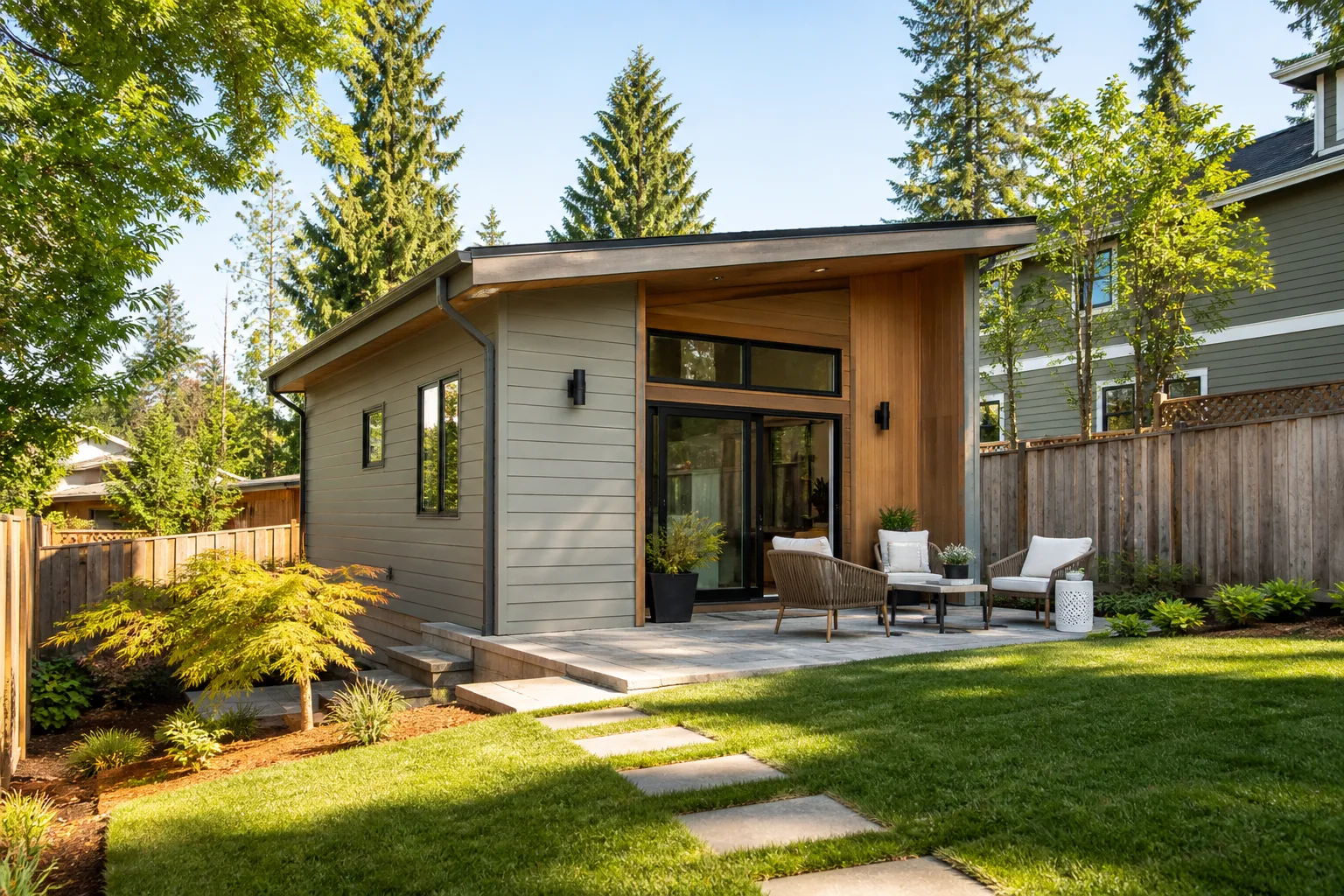
Abodu ADU Builders in Redmond: A Homeowner’s Guide
Abodu’s published pricing is refreshingly clear, and their units are genuinely well-designed. But those all-in quotes assume a flat, accessible lot with no utility upgrades needed, and in Redmond, where sloped backyards and aging infrastructure are common, that assumption breaks fast. If you’ve priced an Abodu, you’ve probably already noticed the quote says “estimated” more than once. This guide explains what that estimate covers, what it doesn’t, and how a local builder closes the gap so you’re not managing half a project yourself.
Here’s the short version: an Abodu is a good fit for a Redmond lot that meets its access and foundation criteria. It’s a poor fit for a lot that needs retaining walls, a long utility trench, or a private sewer lift. Knowing which one you have before you sign anything is the whole game. If you’d rather not work that out alone, call (425) 699-9065 and we’ll walk your lot with you.
Key Takeaways
- Abodu’s quote typically covers the unit and its factory build, not the site work around it.
- In Redmond, foundation type, utility tie-ins, and permit fees are the variables that move the final number most.
- Prefab brands like Abodu, Cover, and Dvele all still need local permit handling and a local point of accountability.
- A specialist who handles design, permitting, and site coordination turns a kit delivery into a finished, livable unit.
What does an Abodu quote actually include in Redmond?
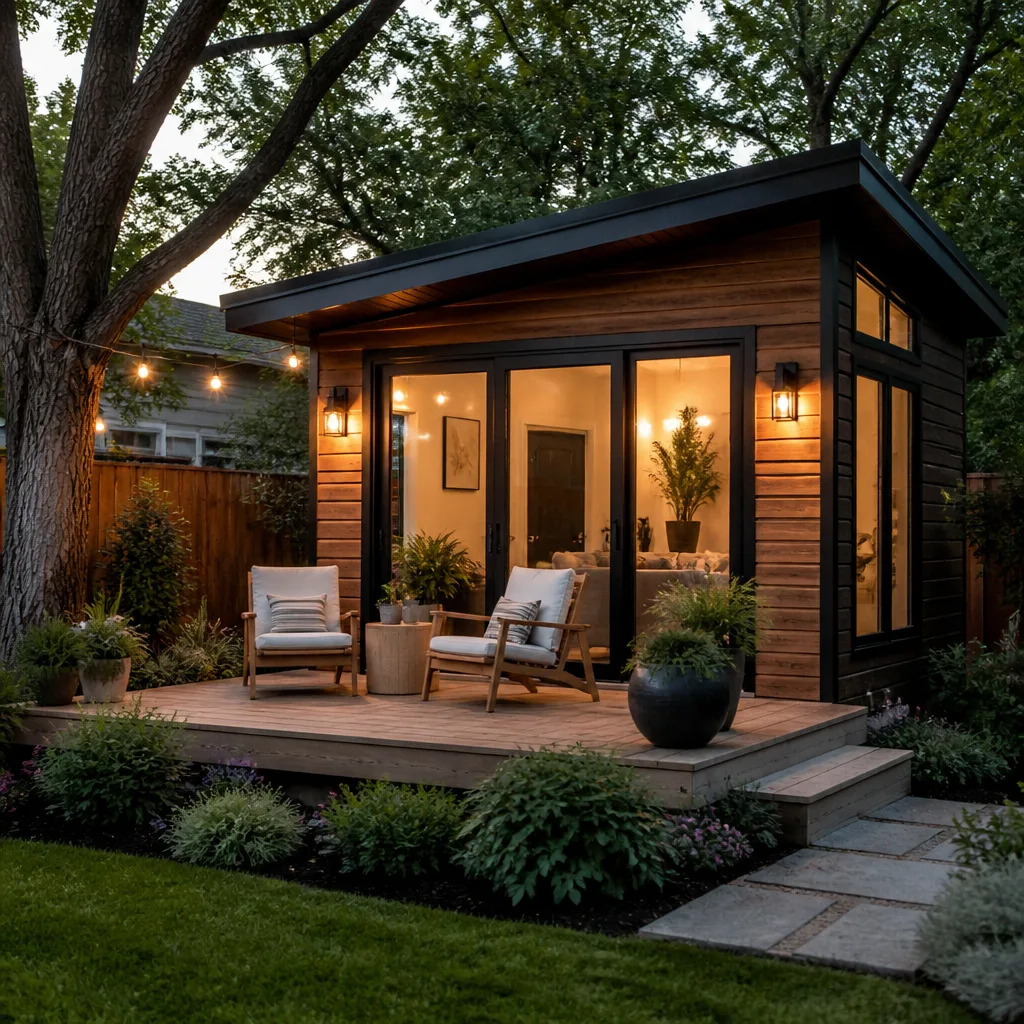
An Abodu quote generally covers the unit itself and the factory build, and leaves site work, foundation specifics, utility connections, and permit fees as variables. That’s not a knock on Abodu. It’s how prefab pricing works across the industry, and it’s the single biggest source of budget surprise for Redmond homeowners. The unit price is the predictable part. The ground under it is not.
Here’s how the variables sort out on a typical Redmond project:
- The unit and delivery: usually bundled, and usually the clearest line in the quote.
- Foundation: depends on soil, slope, and what the city’s building reviewers require for the specific lot. A simple slab on flat ground is one number; a stepped foundation on a grade is another.
- Site access and prep: crane or truck access, driveway width, tree removal, grading, and drainage. Redmond lots with mature landscaping and narrow side yards often need work here that a flat-lot assumption ignores.
- Utility connections: water, sewer, and electrical tie-ins to the main house or the street. This is where older Redmond infrastructure shows up in the budget.
- Permit fees: set by the city, not the manufacturer, and calculated on project valuation.
None of this is a reason to avoid Abodu. It’s a reason to get the site variables priced before you commit, in writing, from someone who builds in Redmond specifically.
Which Redmond lots suit an Abodu, and which don’t?
Abodu units install cleanly on flat, accessible lots with straightforward utility runs. They get complicated on sloped lots, tight-access lots, and lots where the sewer line sits too high for gravity flow. That split matters more in Redmond than in most cities, because the housing stock and terrain vary so much from one neighborhood to the next.
In our experience, these lot conditions tend to be straightforward for a prefab installation:
- Reasonably level rear or side yard with clear equipment access.
- Utilities that can tie into the existing house without major trenching.
- No significant tree removal or grading required.
- Space for the foundation footprint without encroaching on required setbacks.
And these are the conditions where a site-built alternative often pencils out better than prefab:
- Steep grade that needs retaining walls or a stepped foundation.
- Long utility runs, or a sewer connection that needs a lift pump.
- Access too narrow for delivery equipment without a crane pick.
- A lot where the ideal footprint for sunlight, privacy, or views doesn’t match the available standard unit sizes.
We work with Abodu, Cover, and Dvele, so we’re not steering you toward site-built out of preference. We’re steering you toward whichever path actually fits your Redmond lot. Sometimes that’s a garage conversion instead of a new structure entirely, and it’s worth pricing that option alongside a ground-up build before you decide.
How does the Abodu permit process work in Redmond?
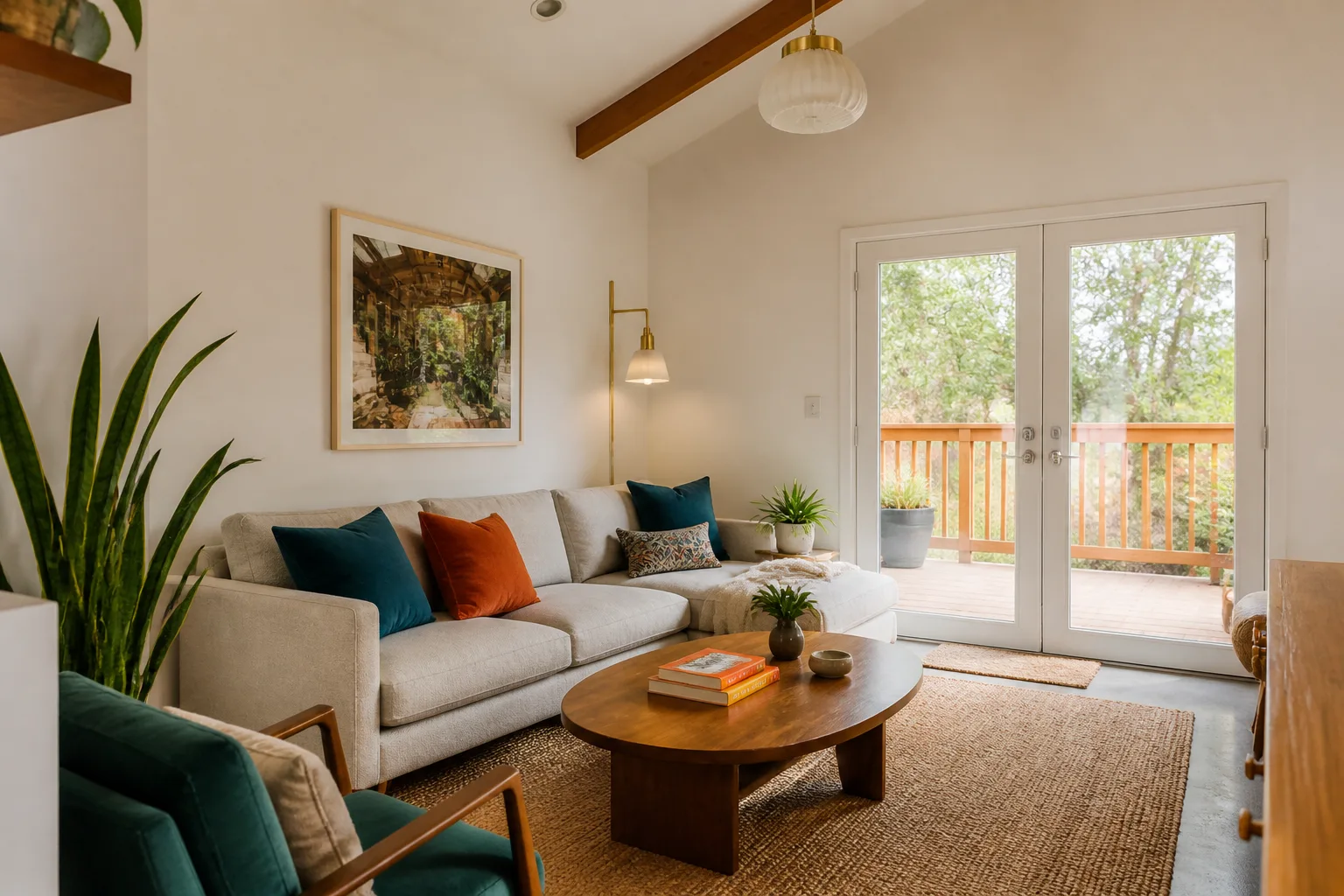
Abodu’s pre-approved plan sets speed up review, but they don’t eliminate local requirements. Redmond’s reviewers still look at site-specific engineering, foundation design, and utility connections for each lot, and factory-built units are reviewed for compliance the same way site-built ones are. The plan set gets you partway. The site work is where local knowledge earns its keep.
What that means in practice:
- 1
Pre-approved plan review: the standardized design moves faster through the city because its core elements have already been reviewed.
- 2
Site-specific engineering: foundation and structural details tied to your actual lot often still need an engineer’s stamp, especially on grade or where soil conditions vary.
- 3
Utility and site plan review: the city wants to see how water, sewer, and power connect, and how the unit sits on the lot relative to setbacks.
- 4
Inspection sequence: foundation, utilities, and final inspections follow the local schedule, not the factory’s.
Every city handles factory-built units a little differently, and Redmond is no exception. We confirm the current requirements with the city’s planning and building department before plans are final, because rules depend on the city and the lot. That’s the ADU Builder Redmond approach to design-to-permit work: we treat the permit process as a core part of the project, not paperwork tacked on at the end.
What does a local ADU builder add to an Abodu project?
A local ADU builder handles everything around the unit: permit management, site prep coordination, utility contractor scheduling, and inspections. Abodu builds a good unit. Getting it permitted, sited, connected, and inspected in Redmond is a separate job, and it’s the job most homeowners underestimate when they buy direct.
Here’s what we take off your plate on an Abodu installation:
- Permit management: filing, responding to reviewer comments, and tracking the approval through to issuance.
- Site prep coordination: grading, excavation, and access planning so the delivery and install go smoothly.
- Utility contractor relationships: coordinating the trades who tie in water, sewer, and electrical, and sequencing them so nobody’s waiting on anybody.
- Inspection scheduling: booking and managing the city inspections in the right order.
- Single point of accountability: one contractor responsible from blueprint to certificate of occupancy, so a gap between the factory and the site doesn’t become your problem to solve.
Our technicians have up to 9 years of experience on ADU-specific work, and that focus matters here. Foundation setbacks, utility tie-ins, and owner-occupancy rules come up on nearly every project, and we deal with them as routine rather than relearning them job to job.
When to call a pro
If your lot has any slope, or your sewer line runs close to the house’s elevation, don’t guess. Those two conditions are where Abodu projects most often run over budget, and they’re worth a professional look before you sign a purchase agreement. Same if you’re unsure how your city will treat a factory-built unit on your specific lot.
Related services in Redmond: if you’re weighing options, our team covers ADU builders for full ground-up construction, or a junior ADU if you’re working with a tighter footprint or a smaller budget.
Abodu vs. Cover vs. Dvele: which fits a Redmond lot?
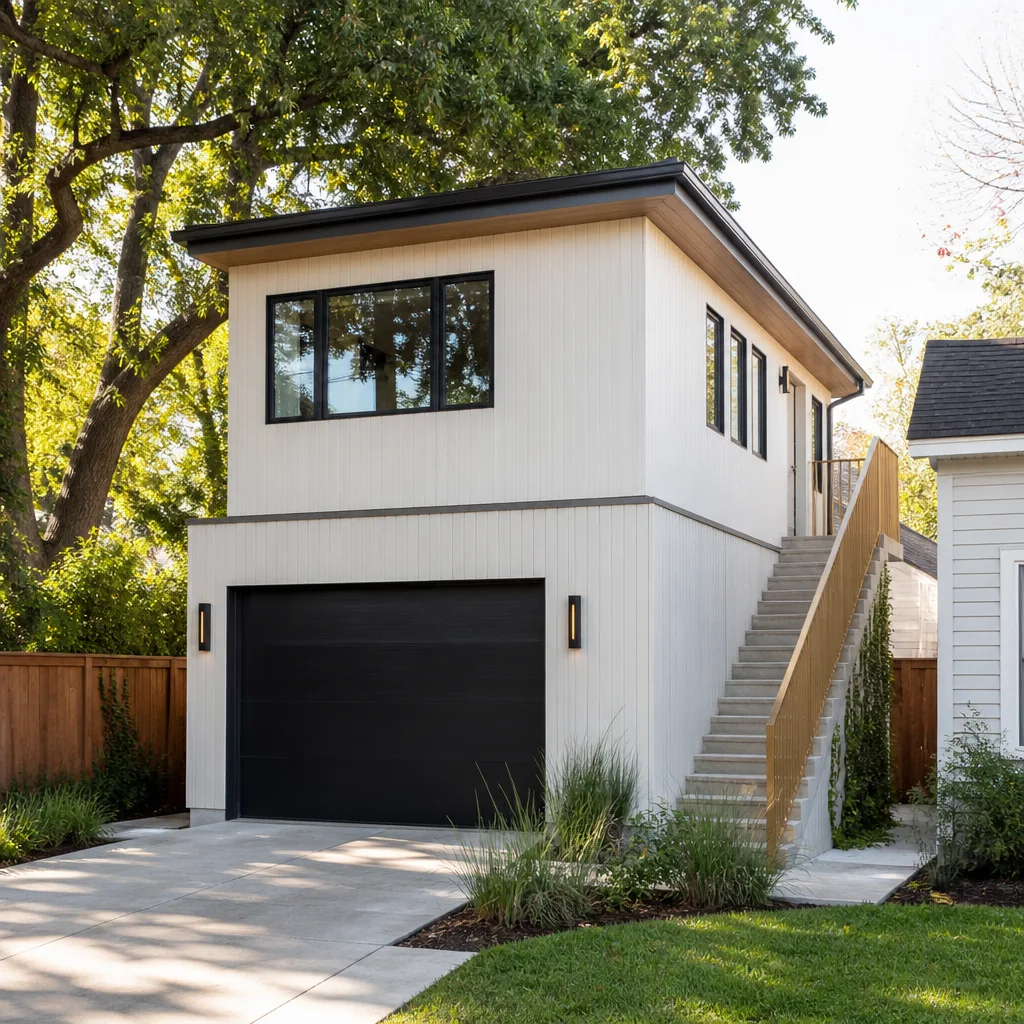
All three build quality prefab units, and the right choice depends on your lot, your customization needs, and how much site work your property requires. Abodu leans toward a streamlined, design-forward product with a fast path to install. Cover emphasizes efficient use of space and modern finishes. Dvele builds toward higher performance envelopes and more structural flexibility. None of them are wrong for Redmond. They fit different lots.
Here’s a direct comparison on the dimensions that matter for a Redmond homeowner:
- Customization: Abodu and Cover generally run more standardized; Dvele offers more room to adapt the structure to a difficult site.
- Lead time: factory build schedules vary by brand and by current order volume, and site work adds time regardless of brand. The full schedule gets set in the written estimate.
- Price positioning: all three sit in the premium prefab range, and the spread between them is often smaller than the spread created by site conditions on your lot.
- Best-fit lots: Abodu and Cover suit flat, accessible lots with simple utility runs. Dvele tends to suit lots where structural adaptation is needed. A sloped or constrained Redmond lot is where a site-built design often competes best on both cost and fit.
The honest answer is that the brand choice is the second decision. The first is whether your Redmond lot is prefab-friendly at all. Get that right, and the brand comparison gets much simpler.
The Bottom Line
Abodu units are well-made and their pricing is transparent, but the quote is only as good as the site assumptions behind it. On a flat, accessible Redmond lot, an Abodu installation can be a clean, predictable project. On a sloped lot, a lot with narrow access, or one where the utility tie-ins need real work, the site costs are where the budget lives, and they’re worth pricing before you commit. Whether that points you to Abodu, Cover, Dvele, or a site-built design, the same rule applies: get one contractor accountable for the whole project, not just the unit.
If you’re in Redmond and need help, ADU Builder Redmond offers free estimates. Call (425) 699-9065. We answer 24/7. Fast dispatch from 7am to 7pm, Sunday through Friday.
Frequently Asked Questions
Usually not. Abodu’s quote typically covers the unit and factory build, while foundation, site work, utility connections, and permit fees are separate variables that depend on your specific lot. In Redmond, those variables are often the largest part of the final number. Call (425) 699-9065 to get them priced for your property before you commit.
It depends on how steep the grade is and what foundation and drainage work the city requires. Gentle slopes can often be handled with engineered foundation work; steeper lots may need retaining walls or a site-built design that adapts to the grade more cost-effectively. We confirm the requirements with the city’s building department before plans are final. Call (425) 699-9065 for an assessment of your lot.
No. Pre-approved plan sets can speed up review, but Redmond still reviews site-specific engineering, foundation details, and utility connections for each lot, and factory-built units go through the same compliance checks. A local builder handles that back-and-forth with the city so you don’t have to. Call (425) 699-9065 to talk through your permit path.
Start with your lot conditions rather than the brand. Flat, accessible lots with straightforward utilities suit Abodu and Cover well; lots that need structural adaptation often point toward Dvele or a site-built design. Once you know which category you’re in, the brand comparison gets much shorter. Call (425) 699-9065 and we’ll compare all three against your property in one conversation.
Written by the team at ADU Builder Redmond.
Need ADU Help?
Call ADU Builder Redmond - the local pro we connect you with is licensed and insured, here with fast help in Redmond.
(425) 699-9065